Practical Guide to Community Wi-Fi Initiatives
In an increasingly digital world, communities are exploring effective ways to adopt technology. One such initiative is providing community Wi-Fi, which can foster connectivity, enhance local businesses, and bridge the digital divide. This guide aims to offer practical insights into how communities can implement successful Wi-Fi initiatives.
Understanding the Basics of Community Wi-Fi
Community Wi-Fi refers to the establishment of wireless internet access in public spaces, designed to be accessible to all members of the community. According to a report by the Institute for Local Self-Reliance, communities with accessible Wi-Fi often see improved economic development and increased engagement in local events.

This works because when people have free access to the internet, they can connect with resources, access educational materials, and engage with local businesses. Typically, a well-implemented community Wi-Fi initiative can lead to a 15-20% increase in the foot traffic of nearby businesses, as reported by industry experts.
"Community internet access not only improves connectivity but also fosters stronger community ties and economic growth." - Digital Inclusion Research Group
Key Steps to Launching a Community Wi-Fi Initiative
Implementing a community Wi-Fi network involves several crucial steps:
- Assess Community Needs: Engage with community members to understand their specific needs and expectations regarding internet access. Surveys or public forums can provide valuable insights.
- Identify Funding Sources: Explore potential funding options such as government grants, partnerships with local businesses, or community fundraising. Research shows that leveraging multiple funding sources can enhance sustainability.
- Select Appropriate Technology: Choose the right technology based on the community's size and needs. Options may include mesh networks, fiber optics, or commercial services. Experts often recommend starting with a pilot project to test feasibility.
- Develop a Management Plan: Establish protocols for network maintenance, user guidelines, and security measures. Many communities find that partnering with local tech firms can provide ongoing support.
- Promote the Service: Once the network is operational, promote it through local organizations, social media, and community events to raise awareness and encourage use.
Challenges and Considerations
While community Wi-Fi can provide numerous benefits, it is essential to acknowledge potential challenges:
- Community Wi-Fi projects typically require a commitment of time and resources, with full implementation often taking 3-6 months.
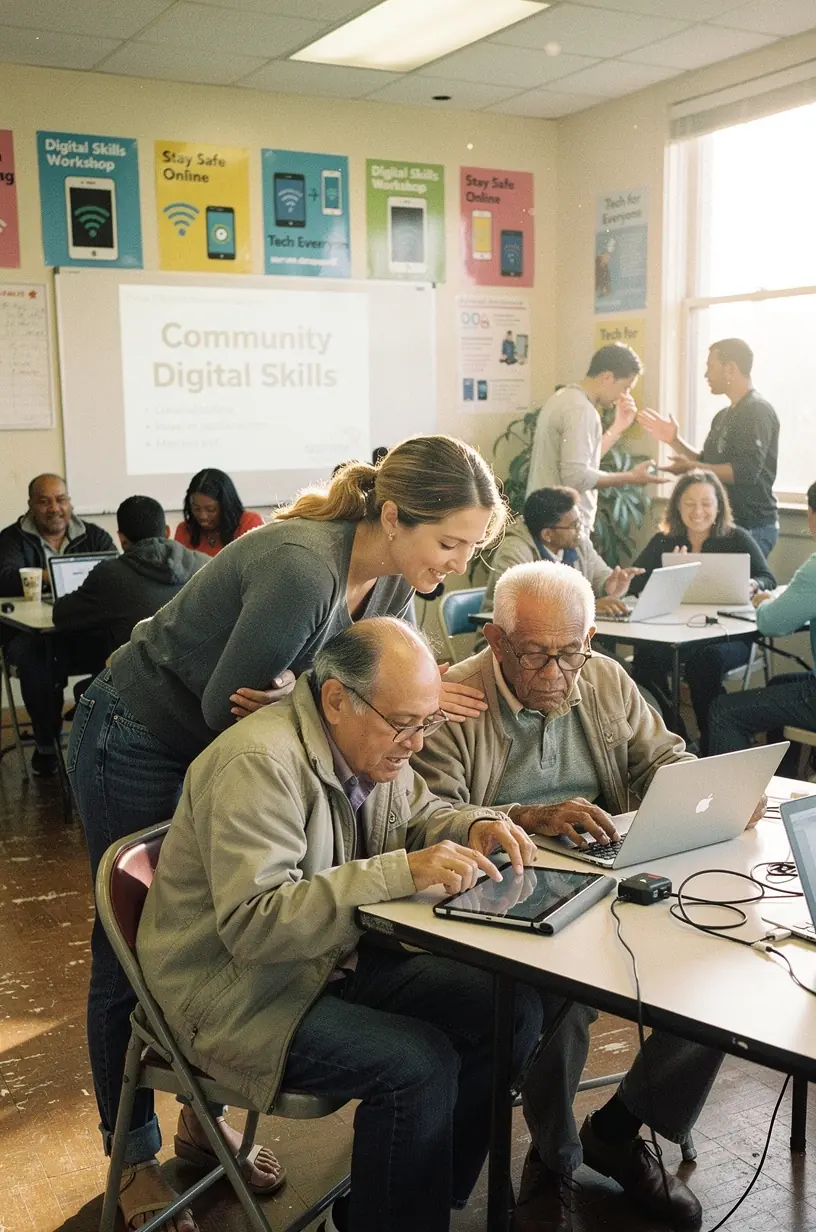
- There may be a learning curve for users unfamiliar with technology, making outreach and education critical components.
- Security concerns must be addressed to protect users' data and privacy. Regular assessments and updates are necessary to maintain a secure network.
Conclusion
Community Wi-Fi initiatives can play a significant role in enhancing digital access and fostering community engagement. By following these practical steps and considering potential challenges, communities in Canada can successfully implement Wi-Fi solutions that meet the needs of their residents. As technology continues to evolve, staying adaptable and responsive to user feedback will be essential in ensuring the longevity and effectiveness of these initiatives.
Discover More